
Home / Services / Water Line Repair
Meter to house, buried supply line
Water Line Repair and Replacement in Sandy, UT: Main Line Leaks, Yard Service Lines and Pressure Tests
Repairing or replacing the buried line that carries water from the meter to your house, from a single leaking joint to a full run of new pipe.
Signs the water line is leaking
The water line works under pressure all day, so a small failure shows up as a pattern before it shows up as a flood. These are the signs that point to the buried line rather than a fixture:
- A wet or sunken patch in the yard between the meter and the house, with no sprinkler nearby, or a section of lawn that stays green or soft when the rest is dry.
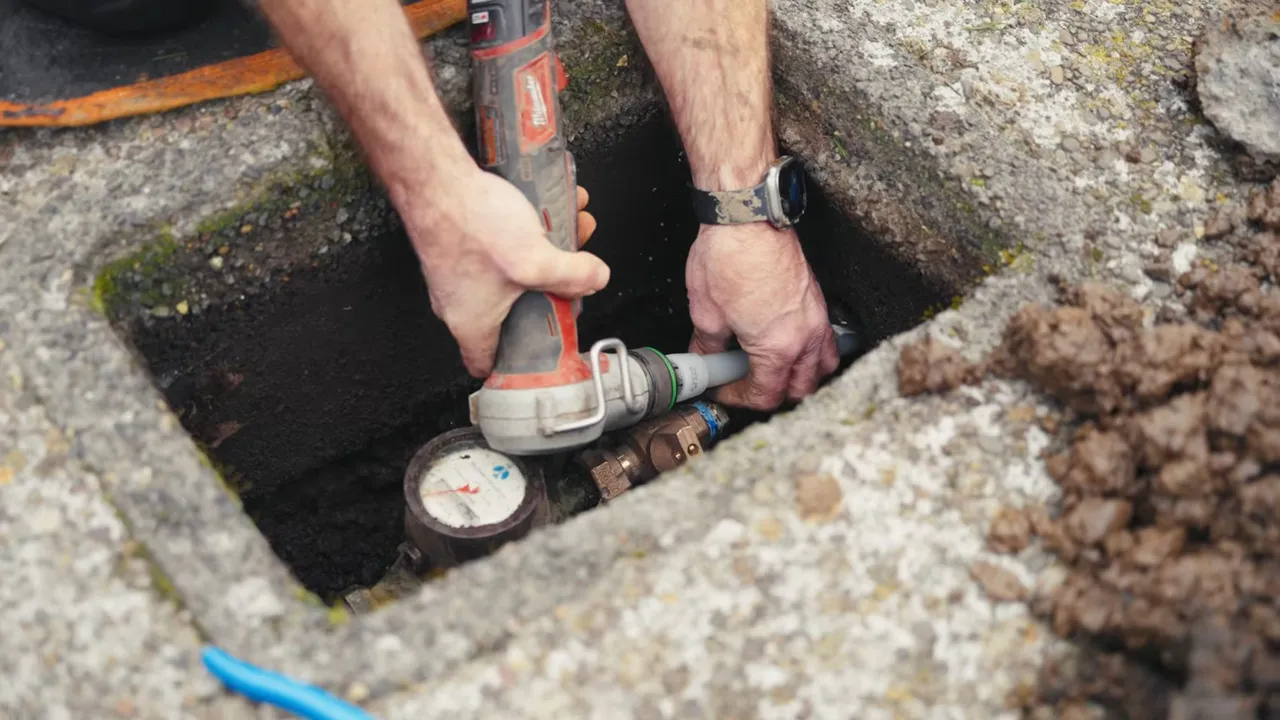
- A water meter that keeps moving when every tap and appliance is off. Close the main valve at the house: if the meter still turns, water is escaping before the valve.
- Lower pressure at every tap without a change in the street, which can mean the line has a leak or has narrowed from corrosion.
- A jump in the water bill with no change in how the household uses water.
- The sound of running water near the meter or the point where the line enters the house, with no fixture on.
- Muddy or discolored water after pressure drops, which can follow a break in an old metal line.
Describe what you see and where when you call about a water line leak in Sandy, UT, and note the meter reading if you can. That narrows the search before anyone digs.
Which part of the line is yours?
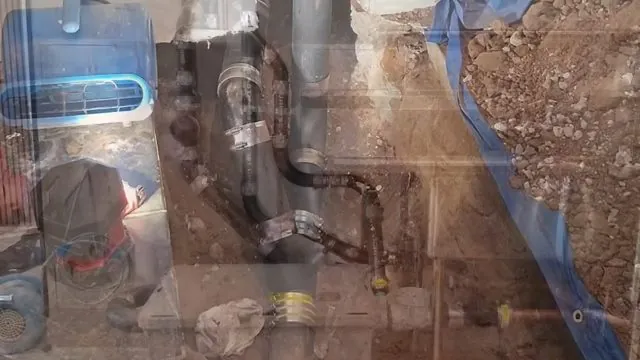
The water utility usually owns the main in the street and the meter, and the owner is responsible for the line from the meter to the house. Where exactly the responsibility changes can differ by address, so confirm it with the utility before you spend anything on a repair, and call the utility first if the leak is at or before the meter. Our leak detection page explains how to tell which side of the meter a leak is on.
If the leak is on your side, the repair is yours to schedule. Shut the main valve at the house to stop the loss while you wait, and photograph the wet area.
Repair or replace the line?
- Spot repair: one leak on a line that is otherwise in good shape is cut out and fixed with a coupling or a short new section of pipe.
- Section replacement: a stretch with several failures, a damaged joint or a crushed section is replaced while the rest of the line stays.
- Full line replacement: when the whole run is old, corroded or leaking in more than one place, replacing it end to end costs less over time than repeating spot repairs.
- Trenchless replacement: where a new line can be pulled through a small bore, the yard, driveway and landscaping stay in place. Not every site suits it.
Common materials for a new line are copper and flexible plastic pipe, chosen for the soil, the depth and what the line will pass under. Ask which material is going in and why.
Low pressure and pressure testing
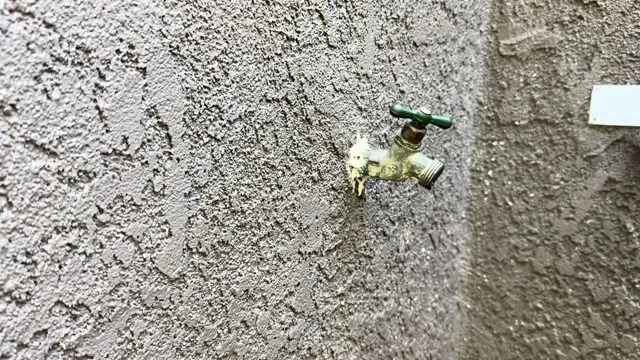
Low pressure that affects the whole house is not always a leak. A worn pressure regulator, a half-open main valve or a narrowed old pipe can cause it too. We start by reading the pressure at a hose bib, then compare it to what the line should deliver. Sandy's hillside streets push pressure up or down depending on how high a house sits, a point on our homepage.
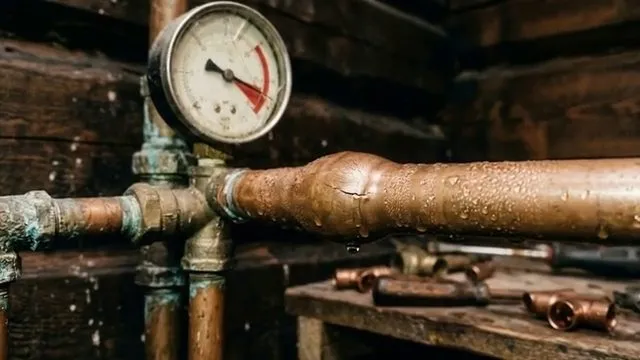
After a repair, the new work is pressure tested before the trench is filled. Holding steady pressure is how we confirm the joint, the coupling and the new section are sound, instead of finding out after the yard has been restored. The same test is useful on its own when a line is suspected but nothing shows.
Wet spot in the yard, or a meter that will not stop?
Call (833) 840-2034Frost, trenches and your yard
- Depth: a service line sits below the frost line so it does not freeze. A repair that exposes the line has to be backfilled and compacted properly so the ground does not settle over the trench.
- Utilities: before anyone digs, buried gas, power and communication lines should be located and marked. Ask your plumber who is making that call.
- Driveways, walks and landscaping: a trench across a driveway or patio means cutting hard surface. Ask what will be put back and what will not, and whether a trenchless route avoids it.
- Trees: roots can crush or break a line, and a new trench may cut roots. Say where the large trees are.
- Shutoff: water to the house is off while the line is open. Ask how long, and plan for it.
The utility, landlords and your insurer
- The utility: report a leak at or before the meter to the water utility. They handle their side, and you handle yours.
- Landlords and associations: in a rental, tell the owner or property manager in writing before hiring anyone. In a townhome or HOA, find out whether the line is shared.
- Insurers: some policies treat a service line break differently from damage inside the house. Photograph the damage and keep the repair record and receipts for the claim.
How a water line visit runs
- 1. Confirm the leak is on the line: meter test, pressure reading and a look at the yard.
- 2. Locate it: acoustic listening and a trace of the buried route, so the trench is small and in the right place.
- 3. Repair or replace: spot repair, section or full line, with the plan agreed with you first.
- 4. Pressure test: held and checked before the trench is closed.
- 5. Backfill and hand-off: the trench is closed and compacted, and you get the notes you need for the utility or insurer.
What changes the price of a water line repair
- Length and depth of the section that has to be exposed or replaced.
- Surface above the line: soil is simpler than concrete, pavers or a driveway.
- Pipe material and whether the repair is a spot fix or a whole run.
- Access and obstacles: trees, fences, other buried lines and tight side yards slow the work.
- Trenchless or open trench: each has a different mix of labor and restoration.
See our cost page for wide price ranges. We will give you the scope in writing before any digging starts.
Water line questions answered
Is a leaking water line an emergency?
If water is surfacing or flooding a basement or crawlspace, close the main valve and call now. A slow leak that only shows on the meter can wait for a scheduled visit, but it wastes water and softens the ground.
Can I use water while a leak waits for repair?
You can if the main valve is open, but every use runs the leak too. Close the main when you are not using water and keep the meter reading so the plumber can see what changed.
Will the repair affect my water pressure?
A repaired or new line often restores pressure that a leak or a narrowed pipe had lowered. If the cause was the street supply or a worn regulator, the plumber should say so instead of promising a change.