Home / Service Areas / Murray
Serving Murray, UT
Emergency Plumber Serving Murray, UT: Creek-Side Lots, a City Water System and Hospital Neighbors
Murray incorporated in 1903 and runs its own water and sewer, with the Jordan River on its west edge.
Murray: its own utility, its own history
Murray was incorporated on January 3, 1903, and sits at about 4,301 feet. Murray Public Services operates its water, sewer, and garbage and recycling, although some areas are served instead by regional water districts. The Jordan River runs along the western edge, and Big and Little Cottonwood Creeks join the river inside the city. Intermountain Medical Center is the city's largest employer, and Murray City Park and Fashion Place Mall are well-known landmarks.
Murray's ZIP codes are not part of the six Sandy ZIP codes we serve directly. We dispatch from the Sandy area, and a short call with your street address tells us whether the job is one we can take. Call with your street address and we will tell you plainly whether we can send someone.
City utility or district: find out before you call the wrong one
Because Murray runs its own water and sewer in most of the city, problems on the street side of your meter or in the sewer main are the city's to fix, and Murray Public Services is the right first call for those. In a few areas other districts apply, and your bill shows who supplies you. Lines from the meter to your fixtures, and your own sewer lateral, are yours. A plumber who can show you the camera footage of a main line problem gives you the best argument when you report it.
Leak you cannot find, a sewer backup, or a failing water line in Murray?
Call (833) 840-2034Murray's creek-side ground and liquefaction zone
With Big and Little Cottonwood Creeks passing through, parts of Murray have wetter ground. The Utah Geological Survey puts most of the city in a moderate or high liquefaction zone, which is a note about how soil behaves in a strong earthquake and not a plumbing defect. It does mean that flexible connectors and well-supported buried lines matter, and that a shutoff you can reach is worth more than one you cannot.
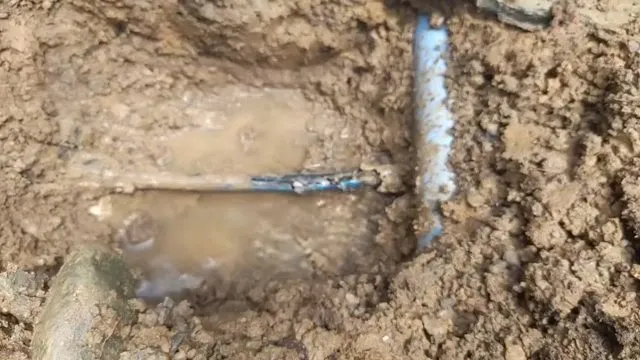
Wetter ground also changes how a buried leak behaves. Water can hide in soil that is already damp, so a soft patch in the yard is not always where the pipe is failing. Run the meter test first, and ask the plumber to explain how the location was confirmed before anyone digs.
A few simple habits help in any strong shaking. Make sure everyone in the house knows where the main shutoff is. Use flexible braided connectors at the water heater and under sinks where they are practical. After a quake, look for a drop in pressure, wet spots, or a meter that keeps moving with everything off, and if you smell gas, leave the house first and call from outside.
Leaks that do not announce themselves
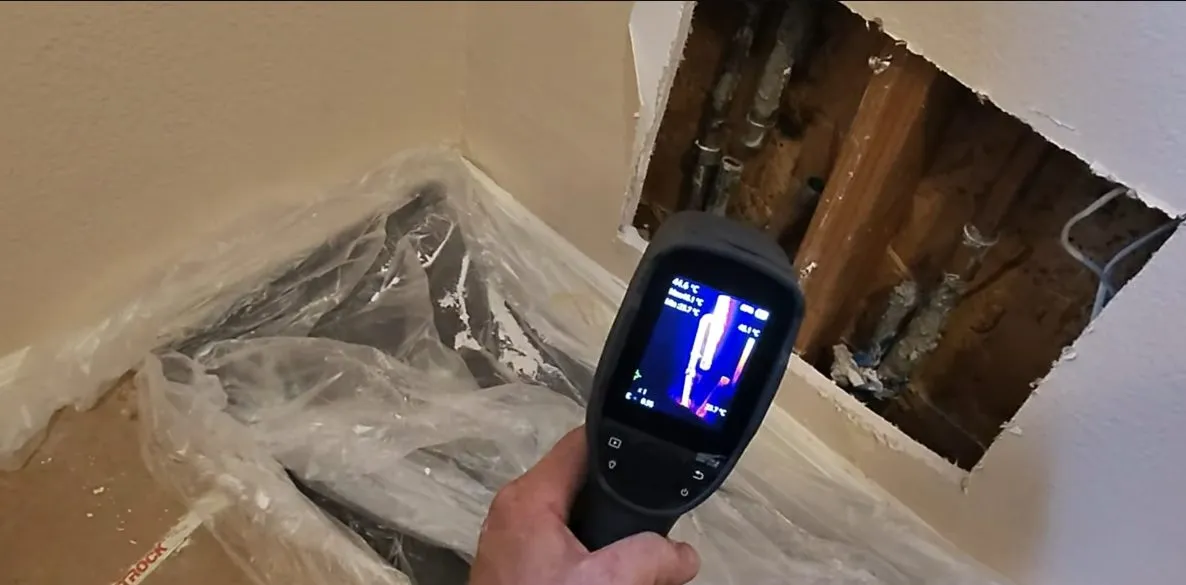
Signs of a hidden leak are a rising bill, a meter that keeps moving with everything off, a musty smell, or a soft spot on a ceiling or wall. Try the meter test first. If it still points to a leak, our leak detection page explains acoustic, electronic, and infrared methods that narrow the search before anything is opened. If the leak is under a slab, see slab leak repair.
Older streets, original pipe
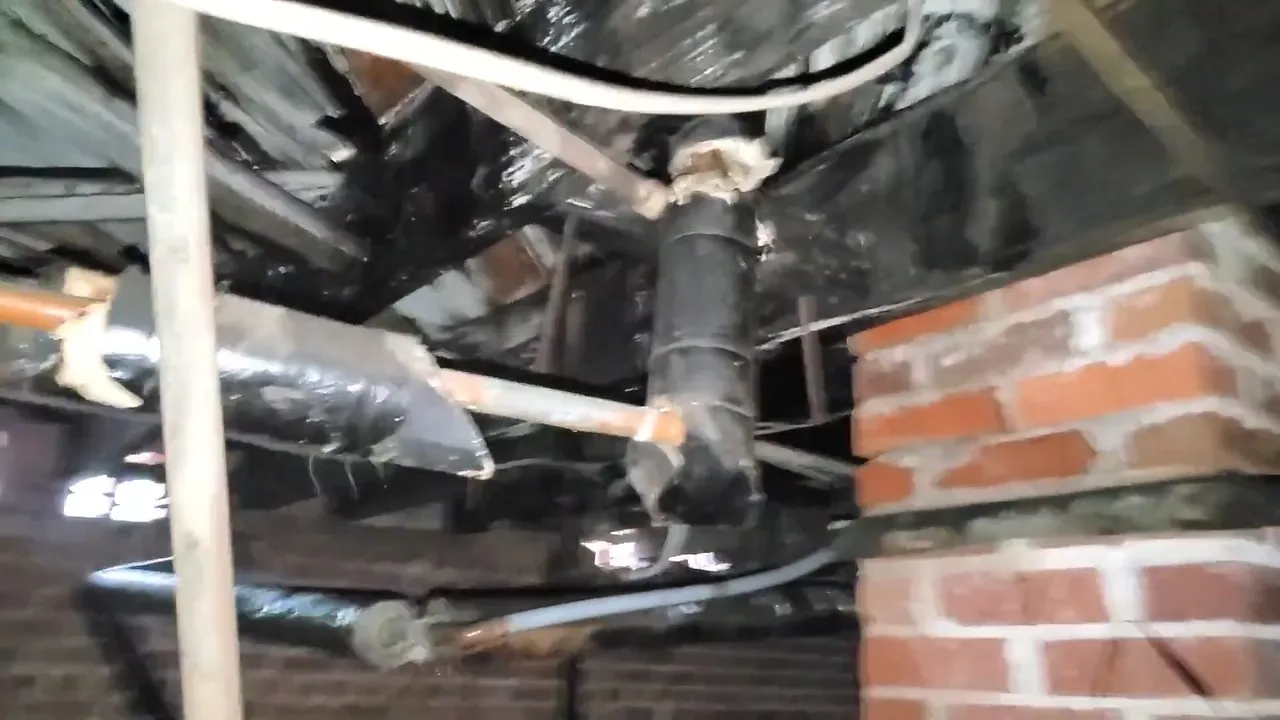
Parts of Murray date back to its early days as a smelter and railroad town, and some neighborhoods have housing from many decades. Where a house has its original plumbing, expect galvanized supply lines or clay and cast-iron drains. The signs are low pressure, discolored water, and repeat clogs. Repairs can be section by section, and a longer-term plan can be a staged repipe. See full-house repipe for how that works.
Burst pipes and water damage
If a line bursts, close the main and open a low faucet. Photograph everything before cleanup, and call your insurer early. Our emergency burst pipe repair page covers the repair, and water damage restoration explains extraction and drying.
Commercial and medical-district calls
With a large medical center and retail corridors nearby, Murray has many offices, clinics, and shops where a plumbing problem affects operations. We handle restroom, drain, and water heater calls for small commercial buildings, schedule around business hours when we can, and coordinate with property managers. Ask your landlord who owns the line before authorizing work.
Who else is involved for Murray
- Murray Public Services: for the street side of the meter and the sewer main in most of the city.
- Landlord or association: for shared stacks and rental units.
- Insurer: for sudden damage, with photos and a written account.
What to have ready for Murray
Give us the address, the symptom, and whether the main is closed. We quote before work starts, and the cost guide shows typical ranges.
Questions worth asking about a hidden leak
- How was the leak located, and how confident is the location before anything is cut?
- What will the opening look like, and who repairs the finish?
- Is the leak the end of the problem, or likely to repeat along the same run?
- What does the written quote include?
Shutoffs and what to test now
Find your main shutoff, and turn it fully off and on to be sure it works. A valve that has not moved in years can stick or leak at the stem. Test the shutoffs under sinks and behind toilets as well. A few minutes of testing now tells you which valves to replace before an emergency, and it means anyone in the house can stop a leak.
Fixtures, parts, and hard water in Murray
Hard water wears out faucet cartridges, toilet flappers, and anode rods faster. Your water provider can tell you the figure for your address. If you replace the same part more than every couple of years, consider the water, and see water softeners before you buy the fourth flapper.