Home / Service Areas / Holladay
Serving Holladay, UT
Emergency Plumber Serving Holladay, UT: Wooded Lots, Established Homes and Spring-Fed Ground
Holladay abuts the Wasatch National Forest and is known for older homes on wooded lots.
Holladay: old homes, trees, and springs
Holladay was incorporated on November 29, 1999, as Holladay-Cottonwood, and shortened its name two weeks later. It sits at about 4,465 feet and abuts the Wasatch National Forest, bordering Murray, Millcreek, and Cottonwood Heights. Early settlers found a spring-fed stream they called Spring Creek, along with numerous springs and ponds. The city is known for fine old homes and wooded lots, and most of its residential growth came from four annexations, the latest in 2015.
Holladay's ZIP codes are outside the Sandy list we serve directly. We dispatch from the Sandy area, and for a Holladay address the first step is a phone check of the street, since the town name does not settle coverage. Call with your street address and we will tell you plainly whether we can send someone.
Camera findings on wooded lots: roots, offsets and cracks
Mature trees near an older sewer line have decades to find their way into joints, so a repeat main-line clog here is more often roots than a one-time object. A camera shows roots, offsets, and cracks, and the recording tells you whether cleaning will hold or the pipe needs lining or replacement. Our hydro jetting page covers root removal, and sewer line repair covers what happens when the pipe has failed.
Aging water heater, rusty water, or a leak under an older Holladay home?
Call (833) 840-2034Springs, damp ground, and basements
An area with historic springs and ponds can have wet soil, especially in spring. If you find dampness in a basement, work out where it enters before blaming a pipe. We tell you plainly if it is drainage, and our basement waterproofing page covers perimeter drains and sump options. Keep gutters clear and downspouts directed away from the house.
Rusty water, and where the rust comes from
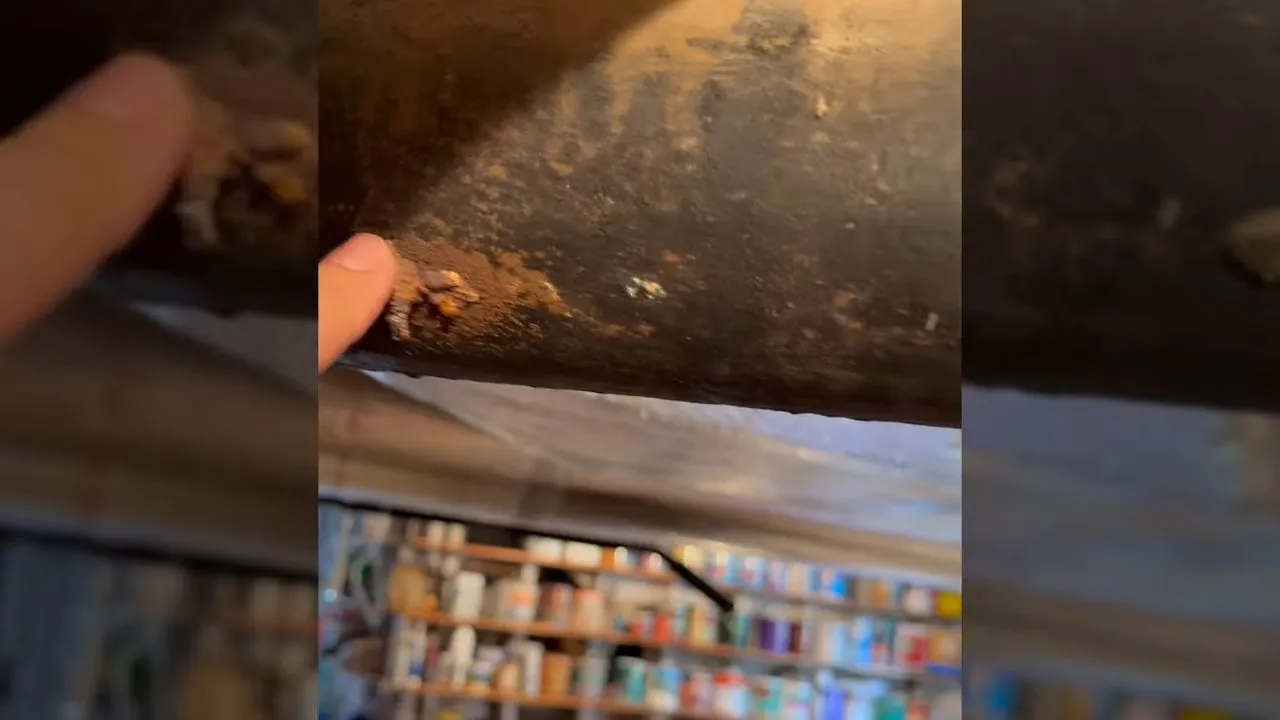
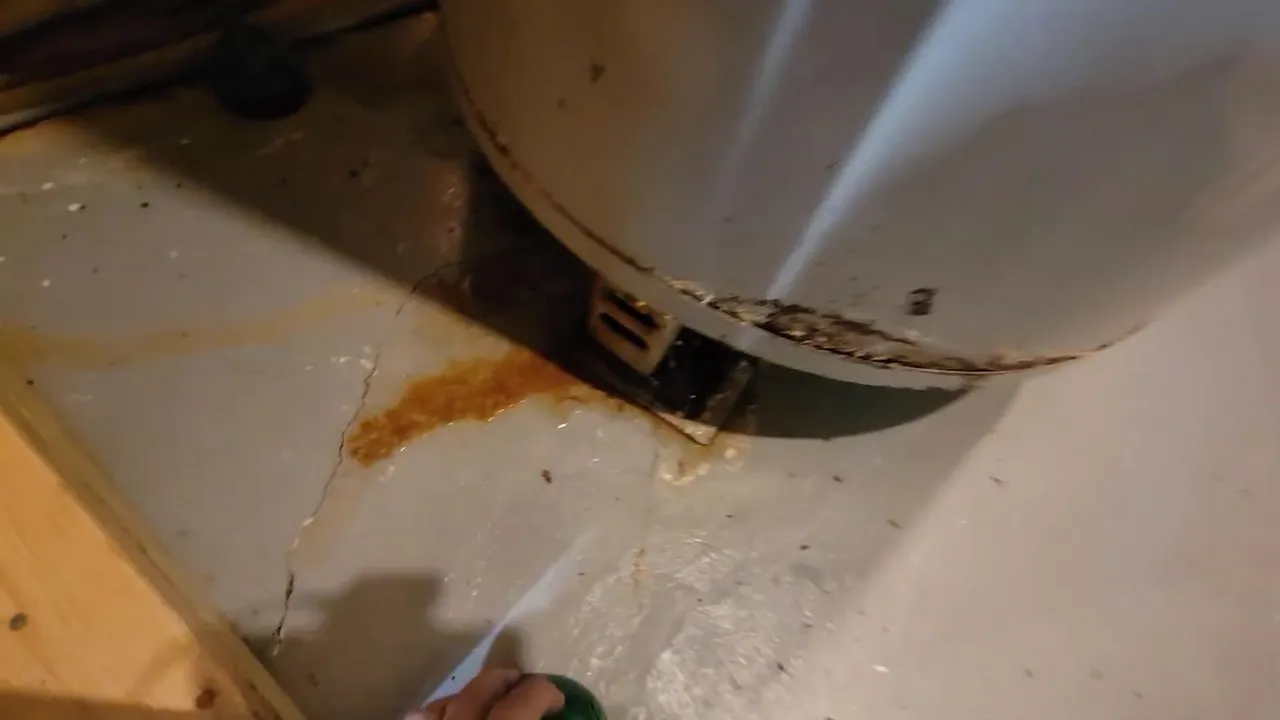
Rust-colored water from the hot side only usually points to the tank, while rust at every tap, hot and cold, points to old supply pipe. Run the cold tap first, then the hot, to see which side shows it. A tank that has gone rusty is a replacement decision, and our water heater installation page explains how to choose. Rust through supply lines is a conversation about repiping.
Well-established homes: renovations and what they uncover
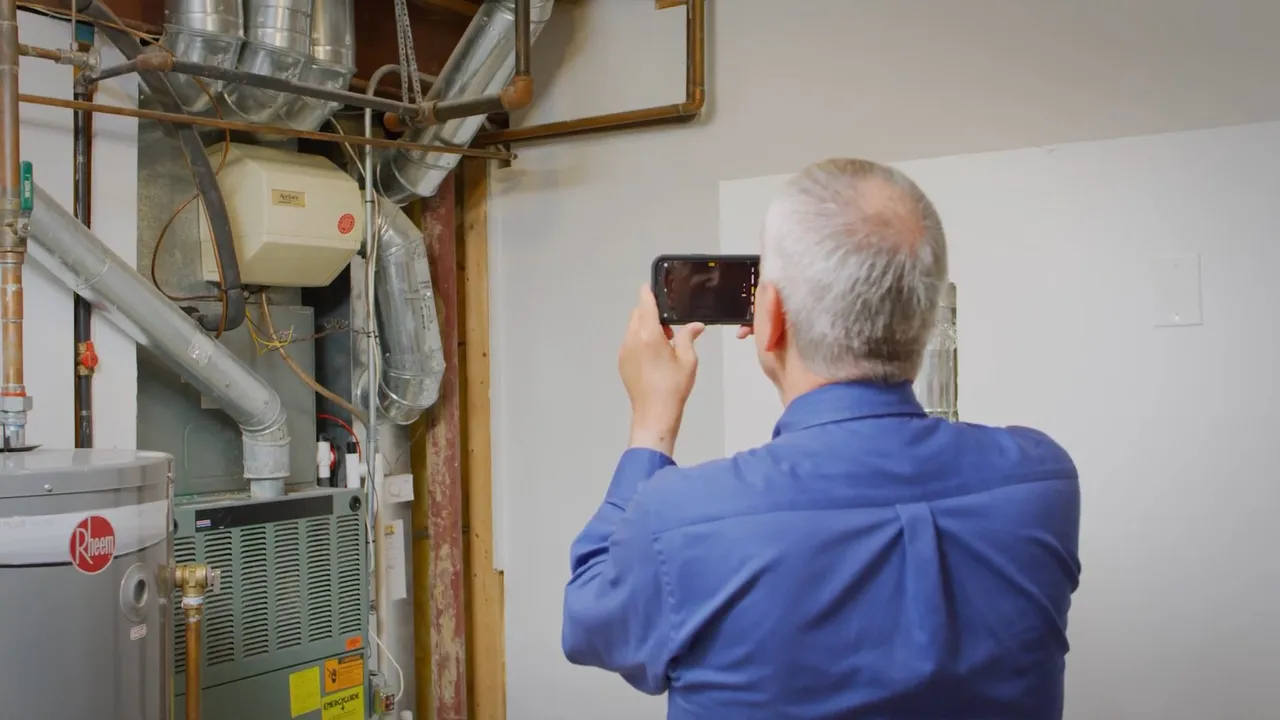
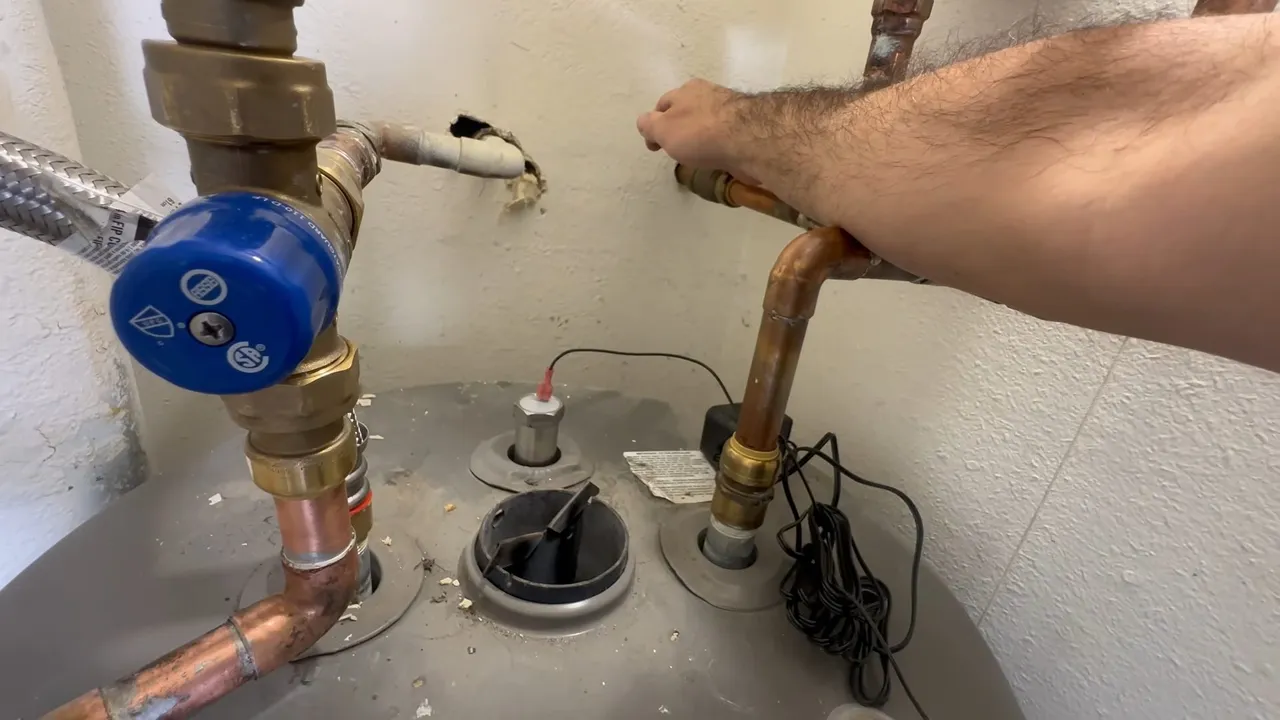
Older homes with a remodel in progress tend to reveal surprises: galvanized lines, clay or cast-iron drains, and fixtures from several decades. Ask the contractor to photograph every open wall, and have the plumber inspect the old pipe before new fixtures go on. The best time to replace a seized shutoff valve is when the wall is already open.
Two plumbing eras side by side near the old Cottonwood Mall
Cottonwood Mall, Utah's first enclosed shopping mall, opened in the 1960s and closed in 2007, and the area around it has been redeveloped. New construction next to older streets means plumbing from two eras within a few blocks. Ask the plumber which system you have, since the right repair depends on it. In general, older homes often have galvanized supply pipe and clay or cast-iron drains, while newer construction typically uses copper or plastic supply lines and plastic drains. Those materials wear differently and are repaired differently, so a fix that suits one house may not suit its neighbor.
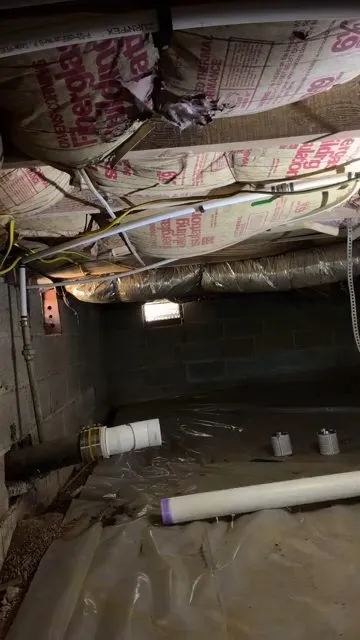
Questions to ask about old pipe
- What material is the supply line, and what material is the drain?
- Is the failure local, or likely to repeat along the run?
- What are the options, from a section repair to a larger replacement?
Who else is involved for Holladay
Your water supplier handles the street side of the meter, and your own lateral runs from the house to the sewer main. Report shared-stack problems to the landlord or association in writing, and call your insurer early when sudden damage occurred.
Getting a visit scheduled for Holladay
Call with your street address, the symptom, and whether the main is closed. We quote before work starts, and the cost guide shows typical ranges.
Hot water that runs out too soon
A tank that runs out of hot water quickly may have a failed heating element, a thermostat issue, or a bed of sediment that reduces the usable volume. Compare how long the hot water lasts to how it behaved last year. A flush and an anode rod inspection often show what is going on, and our water heater repairs page lists the repairs that make sense.
Remodel timing and plumbing
If you plan to remodel a kitchen or bathroom, bring the plumber in before the design is final. Moving a sink or a toilet affects supply and drain routing, vent placement, and what has to be opened. Ask for a plan in writing and for photos of every open wall. The best moment to replace old shutoff valves and supply lines is while the wall is open.
Insurance, documentation, and older homes
Insurers tend to ask about the age of the plumbing and the water heater. Keep invoices, photos, and a note of the date of each repair. Documentation of a repair, with the plumber's findings, helps in a claim and at resale. For sudden damage, call your insurer early and ask what they need.
Trees, roots, and old sewer laterals
Holladay's wooded lots are a large part of its character, and mature trees and buried clay or cast iron lines do not always get along. Roots find joints and slow flow long before a backup. If drains gurgle or slow only after rain or in warm months, ask for a camera look at the lateral. A clear recording tells you whether cleaning is enough or whether a section needs repair.