
Home / Services / Whole-House Repiping
Highest-ticket project, PEX conversion
Whole-House Repiping in Sandy, UT: Repipe or Repair, PEX, Staging and Living at Home
Replacing all of a home's failing copper or galvanized supply lines with PEX in one project, usually the right call once a house is patching the same runs every winter.
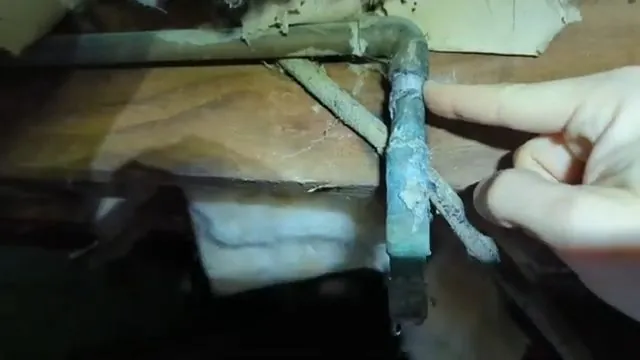
Repair again, or repipe? How to tell
A repipe is a large project, and plenty of plumbing problems don't call for one. If you are weighing a repipe in Sandy, UT, these patterns help separate a failing system from a single failed part.
- Repeated repairs in different places: two or more pipe repairs in a year on different parts of the house suggest the pipe, not one bad joint, is the problem.
- Gradual pressure loss at every fixture: often scale narrowing the inside of old galvanized pipe. Pressure that dropped suddenly, or only at one fixture, points to a valve, aerator, or regulator instead.
- Rusty or discolored water at several fixtures, especially first thing in the morning or after the house has sat unused.
- Original galvanized supply lines in an older home, or green and white corrosion at exposed copper joints.
- Pinhole leaks that keep coming back, instead of a one-time fix.
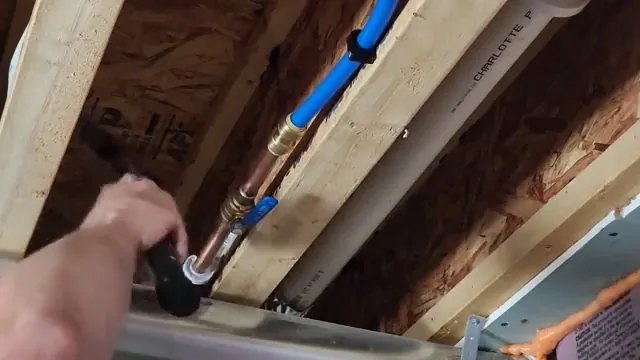
Low street pressure, a bad shutoff or tank sediment come first
- Street-side pressure: if pressure was already low when it reached the house, a repipe alone won't fix it. Ask your water utility, and have the pressure regulator, if there is one, checked.
- One bad shutoff or fixture: low flow at one tap is usually an aerator or a partly closed valve. A main shutoff that is not fully open, or an old valve that has corroded and no longer opens all the way, can also restrict flow to the whole house, so check it before blaming the pipe.
- Water heater sediment: rusty hot water only, with clear cold water, points at the tank, not the pipes.
- Get the pipe material identified: a plumber should show you the actual pipe, not just describe it. Photograph exposed runs so you can compare quotes.
Why PEX, and why hard water changes the math
- PEX doesn't corrode or scale the way galvanized steel does, which matters against Sandy's hard water.
- It flexes slightly instead of cracking outright in a hard freeze, lowering (not eliminating) the risk of a repeat burst in an exposed run.
- It can often be run through existing wall cavities with smaller openings than rigid pipe needs, which keeps patch-and-paint work down.
- Pipe is only half the picture. A softener installation protects new fixtures and the water heater from the same minerals that scaled the old pipe.
Patching the same pipe every winter?
Call (833) 840-2034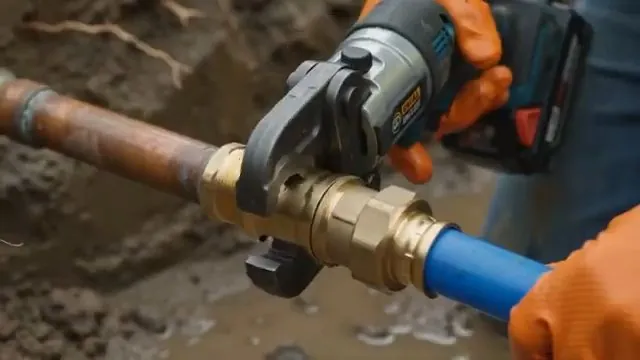
Insurers, landlords, and finishes during a repipe
- Your insurer: ask whether a repipe, or the damage from a failing line, is covered under your policy before work starts. Coverage varies, and prior damage documentation helps.
- Landlord, HOA, or building manager: in a rental, townhome, or condo, supply lines may be shared or owned by someone else. Get written approval first.
- Sale or refinance timing: if you're selling, ask your agent how a repipe will be treated. Keep the written scope, the map of new lines, and any warranty paperwork.
- Drywall, paint, and flooring: patching is part of the quote, but matching texture and paint finish is sometimes a separate trade. Ask what's included.
Repipe steps: walkthrough, access points, PEX run, pressure test
- 1. Walkthrough and plan: we map every fixture and existing line before quoting.
- 2. Access points: targeted openings in walls, ceilings, or flooring, planned to minimize drywall work. Where possible, new lines run through attics, crawlspaces, and basements instead of finished walls.
- 3. New PEX run: old pipe removed, new lines run and pressure-tested. Old pipe is capped and abandoned in place where removing it would mean unnecessary demolition, and removed where it's already exposed.
- 4. Patch and close up: access points closed and patched.
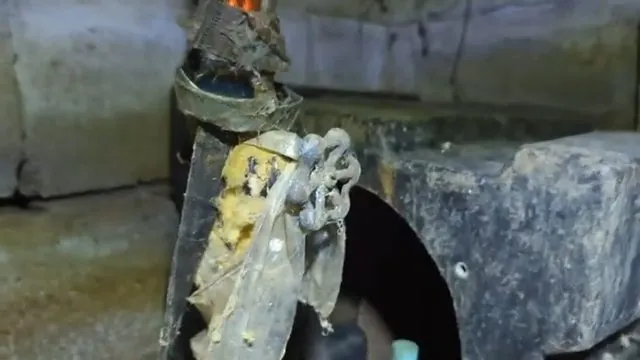
Staying home during a repipe: shutoff windows and water planning
Most repipes run the water off for parts of a day at a time, not the whole project, and we coordinate shutoff windows with you in advance. Plan on a few days of work in an occupied home, depending on size and access, and ask for the schedule in writing. Fill a few containers for drinking and flushing on shutoff days, and have a plan for pets and anyone who needs steady water. We also check the flexible connectors at the water heater during the project, since they have a shorter service life than the pipe and are easy to overlook.
Whole-house, partial or phased repiping: when each makes sense
- Whole house: usually the most cost-efficient when old pipe is throughout the home.
- Partial: if only one floor or section still has old galvanized pipe, repiping just that section avoids redoing lines that are already sound.
- Phased: by floor or section, highest-risk areas first. It isn't always the lowest total cost but can ease the budget or the disruption.
Questions to ask a repipe contractor and records to keep
- Ask what pipe and fittings they use, how pressure testing is done, and what warranty applies to labor and materials.
- Ask for a written scope that lists what is included and excluded, including drywall and paint.
- Ask for a simple map of the new line layout when the work is done, and keep it with your house records.
- Do a fixture-by-fixture walk with the crew at the end, confirming flow and pressure at every tap and checking that drywall texture matches.
How the quote is built, and what affects the cost
- Full walkthrough first: every fixture and run is mapped before a number is given. A repipe quote can't be done well by phone, since a missed bathroom changes the number mid-project.
- Home size and bathroom count: more fixtures means more linear footage of new pipe.
- Single or two-story access: upper floors add complexity for routing and drywall.
- Existing pipe material: galvanized removal takes longer than swapping out old copper.
- Written scope and sign-off before any demolition starts.
See our price breakdown for wide price ranges. This is our highest-ticket single project, and we'll walk through the number in detail before you commit. Pressure is usually more even afterward, but if the problem was on the street side, we say so instead of overselling the result.
Repiping questions answered
Will repiping stop pinhole leaks for good?
New PEX removes the corroded runs that are leaking, so the leaks tied to those pipes stop. Leaks from fittings, fixtures or the water supply itself are separate problems.
Do I need to repipe if only one bathroom leaks?
Not necessarily. One failed run can be repaired. The question turns on whether the same material is failing elsewhere, which a walkthrough answers.
Will new pipe change how my water tastes or looks?
Brown or rusty water from old galvanized lines usually clears up once those lines are gone. Hardness comes from the water supply and stays the same, so ask about softening separately.