Home / Service Areas / Draper
Serving Draper, UT
Emergency Plumber Serving Draper, UT: Foothill Freezes, Wind and Hard Water
Draper sits in the far southeast corner of the Salt Lake Valley, between the Wasatch Range and Traverse Ridge.
Where Draper sits, and why it matters for pipes
Draper is in the far southeast corner of the Salt Lake Valley, with the Wasatch Range to the east and Traverse Ridge to the south. The city sits at about 4,751 feet, noticeably higher than Murray or Taylorsville, and the Point of the Mountain area is known for wind. Snow usually falls regularly from November through March, so winter shapes most of the plumbing calls this far up the valley.
Draper has its own ZIP codes, and none of them are on our current list, which is built around Sandy's six ZIP codes. We dispatch from the Sandy area, so a Draper address is checked by phone before anything is promised. Call with your street address and we will tell you plainly whether we can send someone.
What a hard freeze does to a Draper house
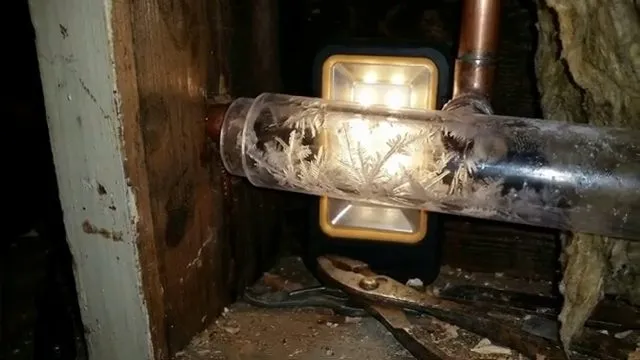
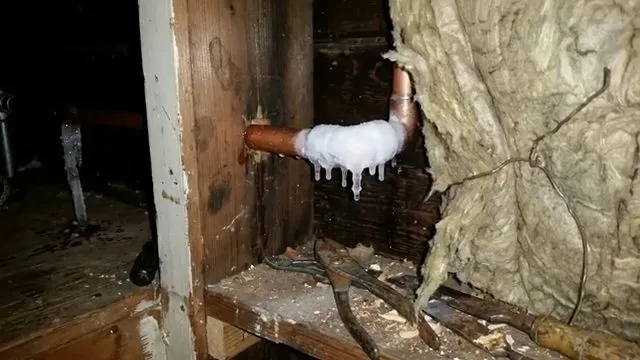
Exposed runs fail first: a hose bib without a frost-proof valve, a line through an unheated garage, a pipe against an uninsulated exterior wall. Copper tends to split along its length when the water inside it freezes, and the leak often shows only after thawing, sometimes a day or two later. If a pipe is frozen but not leaking, close the main, open a faucet, and thaw it slowly with gentle warmth, never an open flame. If it has already split, our burst pipe repair page covers the first steps and what the repair involves.
Frozen pipe, no hot water, or a backed-up drain in Draper?
Call (833) 840-2034Draper freeze checklist: hoses, insulation and main shutoff
- Disconnect hoses, and shut off and drain any outdoor spigot that is not frost-proof.
- Insulate pipes in garages, crawlspaces, attics, and along exterior walls.
- Open the cabinet doors under sinks on exterior walls during the coldest nights.
- Find your main shutoff now, and make sure everyone in the house can turn it.
- Keep the heat on if you travel instead of turning it all the way down.
Mountain-side runoff and damp basements
Homes closer to the mountain can see snowmelt and spring runoff moving toward foundations. When you find dampness or standing water in a basement, the first questions are where it enters and whether a plumbing line is involved. We say plainly when it is a drainage problem and not a plumbing one, and our basement waterproofing and perimeter drains page explains the options when it is.
Hard water, tanks, and tankless units
Ask your water supplier for the hardness figure at your address, since supply differs by neighborhood. Wherever water is hard, minerals drop out wherever it is heated, so tank heaters collect sediment, anode rods wear faster, and tankless units need regular descaling. A water softener is one answer, and our water heater repair page lists the symptoms worth acting on before a tank fails.
Who else is involved at a Draper address
- Water supplier: your bill shows who supplies your water, and a problem on the street side of the meter belongs to them.
- Landlord or HOA: in a rental or an association community, report leaks in writing before arranging repairs.
- Insurer: for burst-pipe damage, call early and keep photos, findings, and invoices.
What to have ready when you call for Draper
Give us your street address, tell us whether the main is closed, where the problem is, and what the pipe is made of if you know. A photo of the leak or the water heater label speeds up the first answer. We quote before work starts, and the numbers on our cost guide are wide ranges, not a quote.
Emergency now, or can it wait until morning?
Call right away for water you cannot stop, a split pipe, no water at all, a sewage backup in the house, or a gas smell, in which case leave the building first and call from outside. A dripping faucet, a slow drain, or a running toilet can wait for a normal appointment, and holding it costs less than an emergency call-out. If you are not sure which side your problem is on, call and describe it. We will tell you honestly whether it needs a plumber now, and our emergency plumbing section on the homepage walks through the safe first steps.
Tanks in cold garages and utility rooms
A water heater in an unheated garage loses more heat and works harder through winter, and its supply lines are exposed to the same freezes as the rest of the garage. Insulating the nearby pipes, checking the relief valve discharge, and flushing the tank each year are inexpensive steps. When the unit is old and failing, our water heater installation page explains sizing, fuel options, and what a proper install includes.
Remodels and new fixtures
With 15,590 housing units counted in 2020, Draper has plenty of houses at every age. Households in Draper's newer subdivisions need the same plumbing help as anywhere else. Remodel work usually exposes what the original builder ran. Moving a sink, adding a bathroom, or finishing a basement means checking supply and drain capacity first. Ask for the plan in writing, and keep photos of the open walls before the drywall goes back on.
Wind chill on hose bibs, backflow valves and meter-side lines
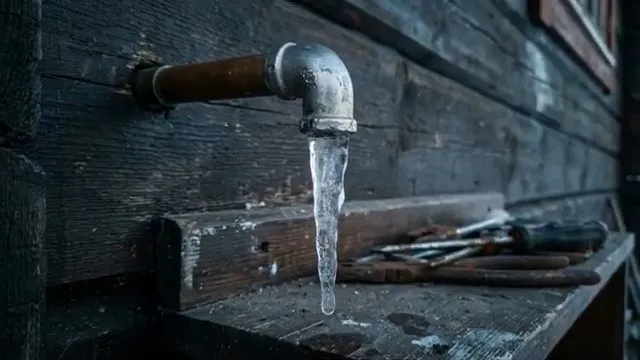
Wind chills exposed pipe faster than still air does, so hose bibs, sprinkler backflow valves, and meter-side lines on exposed sides of a house freeze sooner. Cover or insulate what you can, and if you see frost on an exterior valve, treat it as a warning rather than waiting for the leak. A sprinkler system's backflow valve is usually shut off and drained for winter, so ask whoever winterizes your sprinklers whether that has been done. If the frost is on the street side of the meter, that part belongs to your water supplier, so check your bill for who to call.